
The Rise of Serverless WordPress: Why Traditional Hosting Is Becoming Obsolete
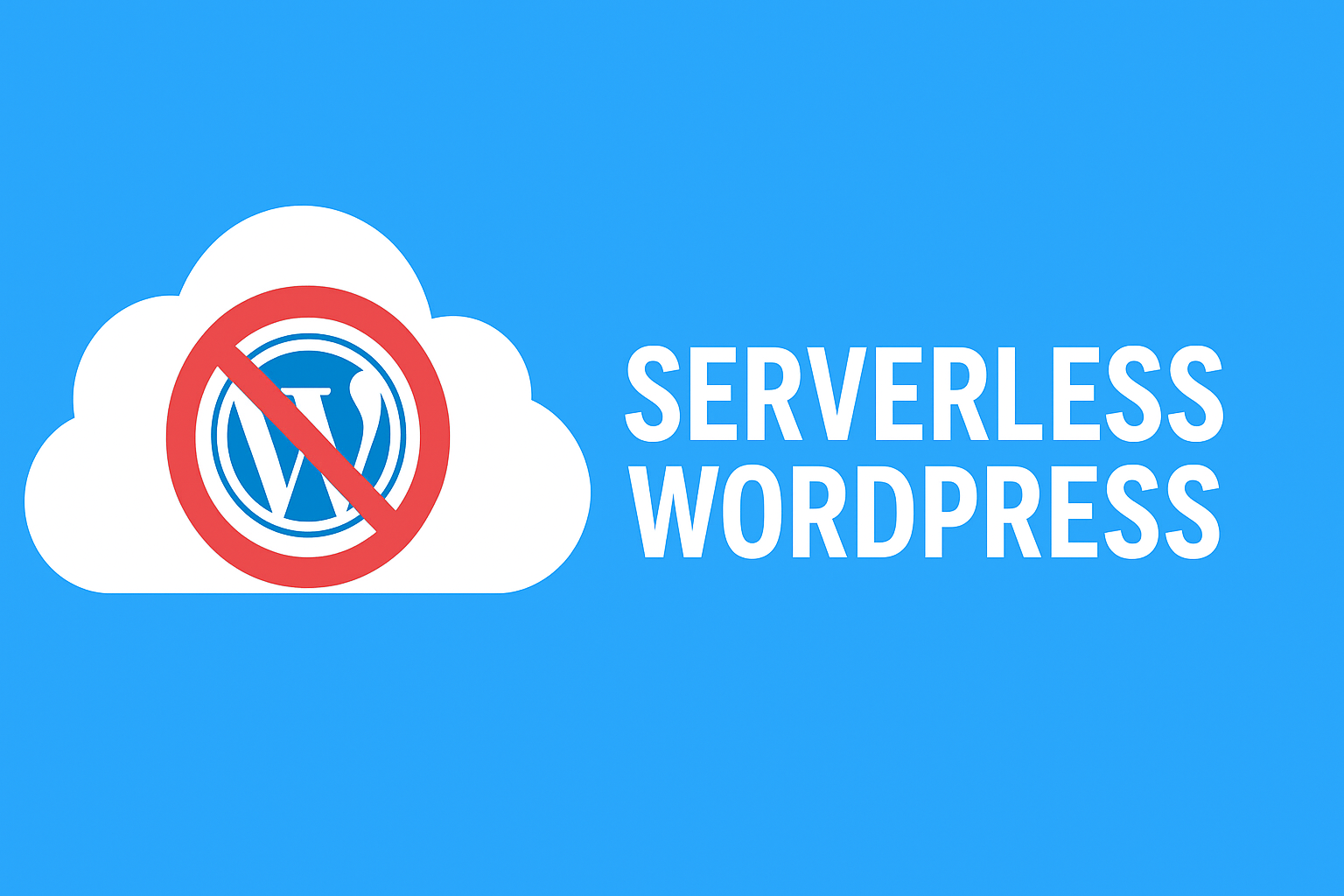
Traditional WordPress hosting is rapidly being replaced by a powerful new paradigm — serverless architecture. Instead of relying on shared servers, virtual private servers (VPS), or dedicated hosting environments, serverless WordPress runs on demand, scaling automatically and dramatically reducing infrastructure costs. In this comprehensive review, we examine the structural evolution, core benefits, and enabling tools driving this monumental shift.
Key Architecture and Operational Shifts in Serverless WordPress
Engineered for site owners, web developers, and digital agency administrators, implementing or migrating to serverless frameworks introduces several critical operational changes:
- Decoupled Jamstack Evolution: Monolithic CMS setups are evolving into headless architectures featuring static frontends (React, Vue, or Svelte), APIs powered by the WordPress REST API or GraphQL, and serverless functions handling dynamic requests.
- Automated Elastic Scaling: Effortlessly handle millions of traffic hits without manually upgrading server CPU or RAM tiers, paying strictly for the precise compute time consumed.
- Zero Maintenance Overhead: Completely eliminates manual server configurations, security patching routines, cPanel licenses, and unpredictable downtime windows.
- Enterprise-Grade Security: Eliminates exposed PHP backends and reduces vulnerable entry points by serving immutable static assets directly from a global CDN.
Why Developers and Agency Owners Should Embrace Serverless Infrastructure
Transitioning toward serverless and headless WordPress topologies provides a distinct practical advantage for development teams wanting to optimize site speed, eliminate server administration friction, and deliver bulletproof web reliability. Here are the primary reasons to adopt this approach:
- Blazing Fast Global Delivery: Static rendering and edge caching ensure near-instantaneous load times for users anywhere in the world.
- Cost Efficiency on Demand: Pay-per-use computing models prevent you from overpaying for idle server capacity during low-traffic cycles.
- Streamlined Development Workflows: Allows developers to focus 100% on writing clean code and deploying through modern continuous integration pipelines rather than troubleshooting server logs.
However, configuring decoupled APIs, static site generators, and edge functions can sometimes introduce initial setup complexity compared to a traditional one-click installer. Ready to modernize your infrastructure? Explore hybrid headless platforms like WP Engine Atlas to review managed serverless deployment options. Looking to master more digital asset integrations? Check out our guide on optimizing headless WordPress workflows and deployment pipelines, or visit Plugintify to explore our latest software components and developer resources.
Technical Verdict
Our technical verdict is that serverless WordPress represents the ultimate evolution of web publishing — combining the unmatched content management UX of WordPress with the speed, limitless scalability, and security of modern cloud architecture.
However, because completely serverless or static configurations require specialized tooling (such as Strattic, WP2Static, or Faust.js) to handle dynamic elements like user logins, e-commerce checkouts, and comment forms, developers must carefully architect their backend API endpoints. Overall, for web agencies and developers looking to future-proof their web projects and render traditional shared hosting obsolete, moving toward serverless WordPress is an elite addition to your digital engineering toolkit.